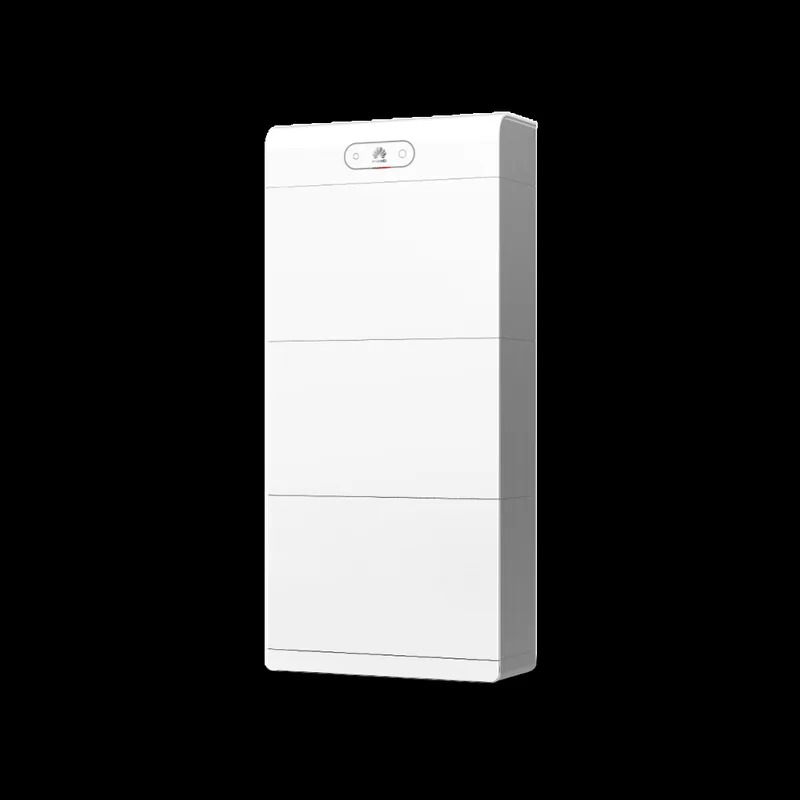
Huawei Solar SUN2000-3-6KTL-L1
Designed for residential and small commercial solar installations, this single-phase string inverter delivers reliable power conversion with impressive efficiency ratings. With its 6000W nominal AC power output and maximum efficiency of 98.4%, it optimizes energy harvest from photovoltaic arrays while maintaining exceptional performance standards.
The inverter features dual MPPT channels supporting voltage ranges from 90-560V, allowing flexible panel configurations and enhanced energy capture. Its robust IP65-rated enclosure weighs just 12.0kg and operates reliably in temperatures from -25 to +60°C. The unit maintains low total harmonic distortion at 3% while supporting multiple AC output voltages (220/230/240V) and frequencies (50/60Hz), making it adaptable to various grid requirements worldwide.
Technical Specifications
Alternatives →| Nominal AC Power | 6000 W |
| Maximum AC Power | 6000 W |
| Maximum Efficiency | 98.4 % |
| European Efficiency | 97.8 % |
| MPPT Voltage Range | 90-560 V |
| Maximum DC Input Voltage | 600 V |
| Number of MPPT Channels | 2 |
| Maximum DC Input Current per MPPT | 12.5 A |
| AC Output Voltage | 220/230/240 V |
| AC Output Frequency | 50/60 Hz |
| Total Harmonic Distortion (THD) | 3 % |
| Weight | 12.0 kg |
| Enclosure Protection Rating | IP65 |
| Operating Temperature Range | -25 to +60 °C |
| Inverter Type | String |
| Number of Phases | 1 |
Frequently asked questions
What size array does the Huawei SUN2000-3-6KTL-L1 suit?
The Huawei SUN2000-3-6KTL-L1 designation spans a family from 3 kW to 6 kW, and the figures recorded for this entry are 6000 W of nominal AC power with the same 6000 W as its maximum. With no headroom above nominal, a domestic array of about that size, modestly oversized on the DC side, is the right match.
What does the 90-560 V MPPT range of the Huawei SUN2000-3-6KTL-L1 mean for string design?
The Huawei SUN2000-3-6KTL-L1 tracks from 90 V to 560 V and tolerates 600 V of maximum DC input voltage. Starting to track at 90 V is unusually generous, so even a short string wakes the inverter early in the morning, while the 600 V ceiling caps string length at the coldest expected temperature.
How many MPPT channels does the Huawei SUN2000-3-6KTL-L1 have?
The Huawei SUN2000-3-6KTL-L1 has two independent MPPT channels, each accepting up to 12.5 A of DC input current. Two trackers let two roof planes of different orientation or shading be optimised separately, while 12.5 A is sized for a single string per channel rather than for a paralleled pair of strings.
How efficient is the Huawei SUN2000-3-6KTL-L1?
The Huawei SUN2000-3-6KTL-L1 is rated at 98.4 percent maximum efficiency and 97.8 percent European efficiency. The European figure is the weighted one, reflecting a realistic year of partial and full load, so roughly two percent of the DC energy the array produces is lost in conversion, a strong result for a domestic unit.
What grid connection does the Huawei SUN2000-3-6KTL-L1 need?
The Huawei SUN2000-3-6KTL-L1 is single-phase and is specified for several nominal grid voltages, 220 V, 230 V or 240 V, at either 50 or 60 Hz, so the same hardware covers different national grids. Harmonic distortion is quoted at 3 percent, within what network operators normally expect from domestic generation.
Can the Huawei SUN2000-3-6KTL-L1 be mounted outdoors?
The Huawei SUN2000-3-6KTL-L1 is a string inverter rated IP65 and specified from -25 to +60 degrees Celsius, so an outdoor wall position is within its declared limits. At 12.0 kg it is an easy one-person lift, which makes siting it beside the meter or on an external house wall straightforward.
See alternatives to the Huawei Solar SUN2000-3-6KTL-L1 →
Guides that cover this model
Source: solar.huawei.com