
Huawei Solar Solar Inverters
China · 3 models
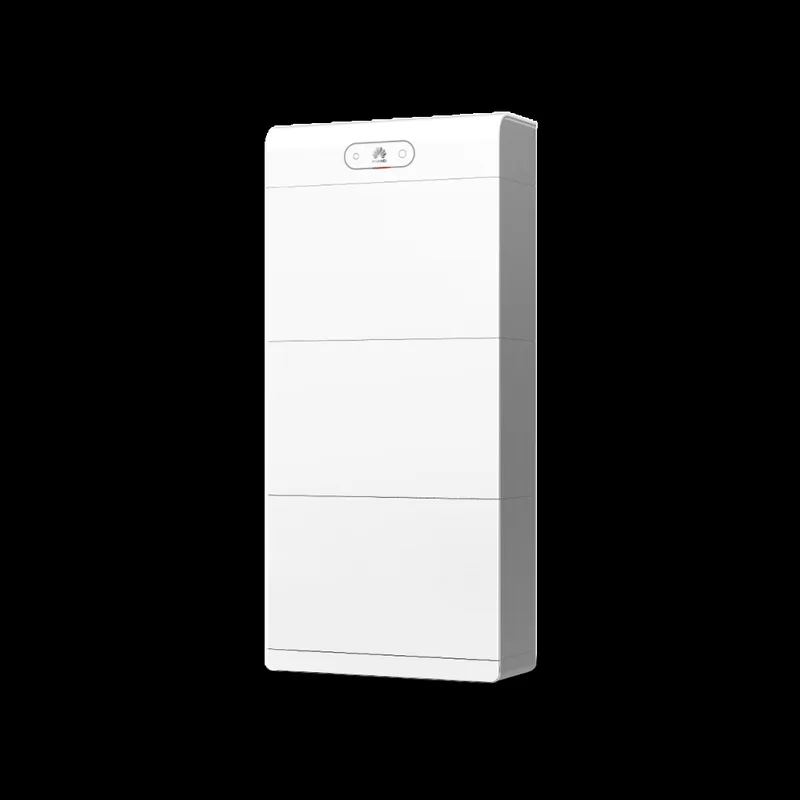
SUN2000-3-10KTL-M1
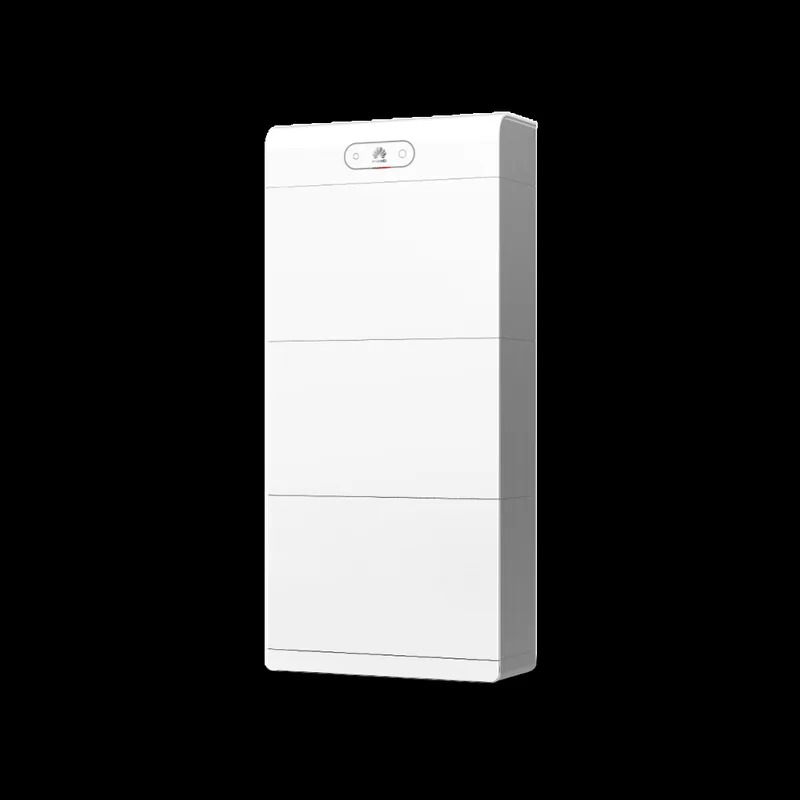
SUN2000-3-6KTL-L1
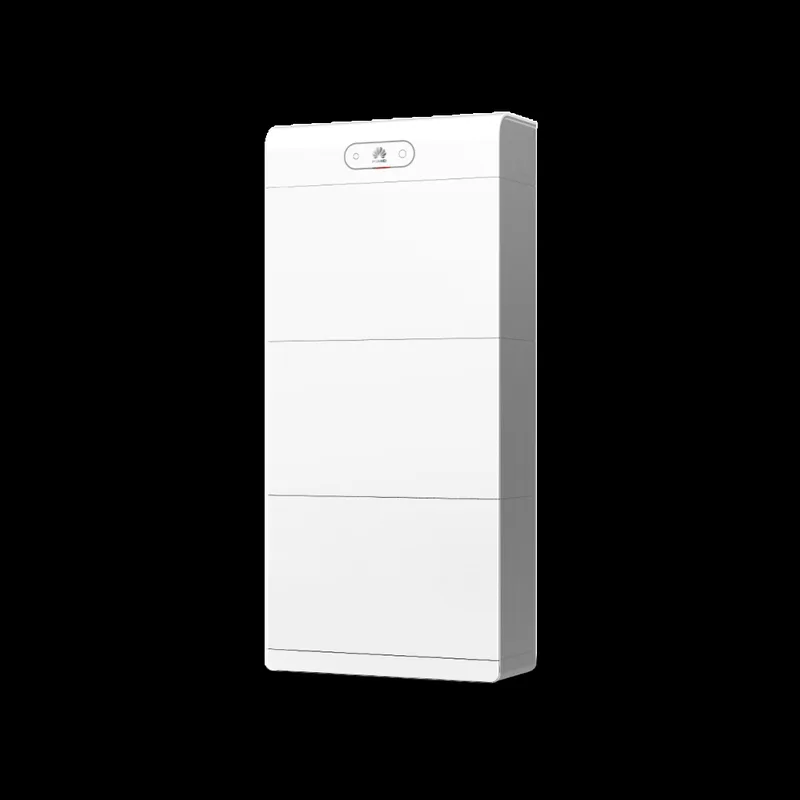
SUN2000-50KTL-M3
All 3 Huawei Solar models
Specifications as published by the manufacturer. A dash means the figure is not published.
| Model | AC power | Efficiency | MPPT | Phases | Weight |
|---|---|---|---|---|---|
| SUN2000-3-10KTL-M1 | 10000 W | 98.6 % | — | 3 | 17 kg |
| SUN2000-3-6KTL-L1 | 6000 W | 98.4 % | — | 1 | 12.0 kg |
| SUN2000-50KTL-M3 | 50000 W | 98.5 % | — | 3 | 49 kg |
How the Huawei Solar inverter range is organised
Every Huawei grid-tied inverter listed here belongs to one platform, SUN2000, and the division within it is by phase count and power band. Three models are stored.
Single-phase residential
SUN2000-3-6KTL-L1 is the single-phase entry: 6,000 W nominal and maximum AC power, one phase, two MPPT channels tracking from 90 V to 560 V, a 600 V DC ceiling and 12.5 A per MPPT input. It is listed at 98.4% maximum and 97.8% European efficiency, 12.0 kg, IP65, and 220/230/240 V output, the three nominal grid voltages it is rated for.
Three-phase residential and small commercial
SUN2000-3-10KTL-M1 moves to three phases at 10,000 W nominal, with 11,000 W maximum AC power. It is the first entry here where those two figures differ. Two MPPT channels track a much wider 140-980 V window against an 1,100 V DC ceiling, efficiency is 98.6% maximum and 98.1% European, and it weighs 17 kg. Output is listed as 220 V / 380 V or 230 V / 400 V, two three-phase four-wire configurations rather than four separate voltages.
Commercial
SUN2000-50KTL-M3 is the commercial step: 50,000 W nominal, 55,000 W maximum, four MPPT channels, 200-1,000 V tracking, an 1,100 V maximum DC input, 30 A per input, 49 kg and IP66. Maximum efficiency is 98.5% and European efficiency 98.0%. All three models record 3% total harmonic distortion and an operating range of -25 °C to +60 °C.
Three models are not Huawei's catalogue. The SUN2000 family runs many more ratings across each of these platforms, and this listing does not attempt to cover them. What the three do give is one clear sample of each tier — the single-phase L1, the three-phase M1 and the larger M3 — with specs complete enough to show what actually changes as you move up the range: the DC ceiling, the MPPT count, and whether maximum AC power exceeds the nominal rating.
Reading a Huawei SUN2000 model designation
A Huawei designation reads as platform, power, class, then hardware version.
SUN2000 is the platform name for Huawei's grid-tied string inverters. It is constant across everything listed here and carries no power information of its own.
The numbers are kilowatts. Where two appear, as in SUN2000-3-6KTL-L1 and SUN2000-3-10KTL-M1, they mark the span of a family, from a 3 kW smallest member up to the largest. The specs stored on this site are the top rating's: 6,000 W for the 3-6KTL-L1 and 10,000 W for the 3-10KTL-M1. Where a single number appears, as in SUN2000-50KTL-M3, it is one 50 kW rating, and 50,000 W is what is stored.
KTL is the standard suffix on Huawei string inverters: K for kilowatt, TL for transformerless. The 50KTL-M3 is recorded with a transformerless topology.
The final code is the platform and phase class. L1 is the single-phase residential platform, and the 3-6KTL-L1 records one phase with a 600 V DC ceiling. M1 and M3 are three-phase platforms; both record three phases and an 1,100 V DC ceiling, with M3 the larger commercial hardware, carrying four MPPT channels against M1's two. The tail of the designation therefore tells you more than the head.