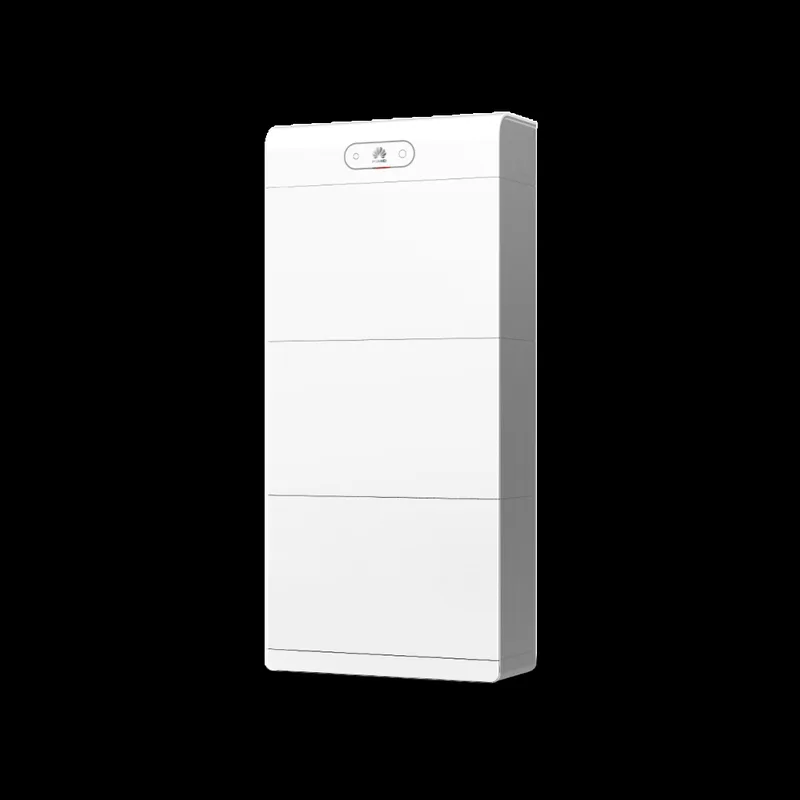
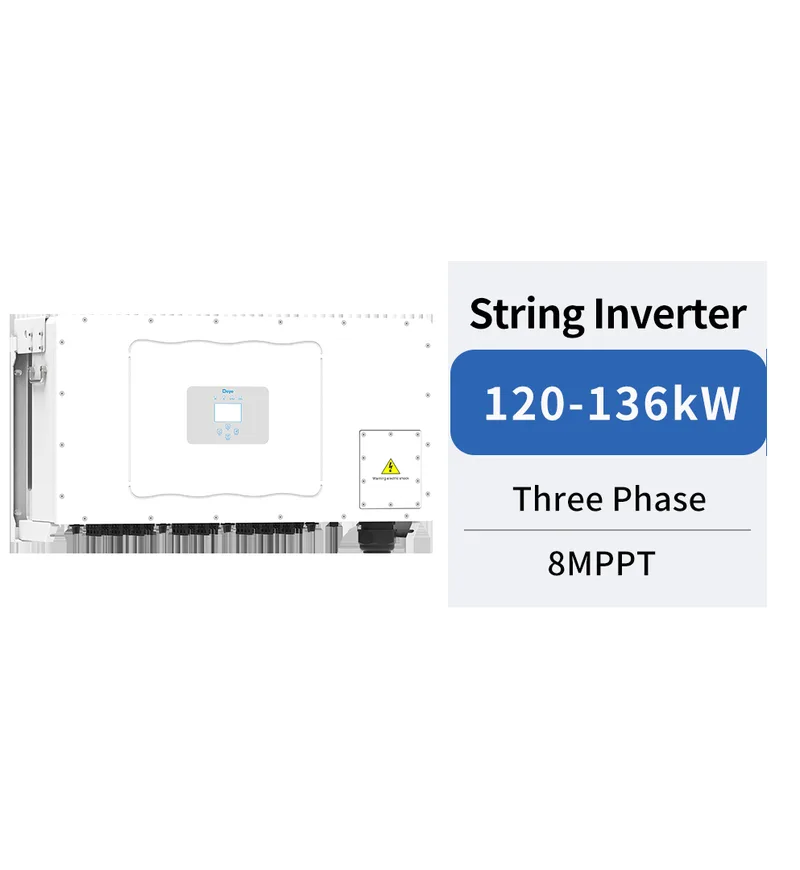
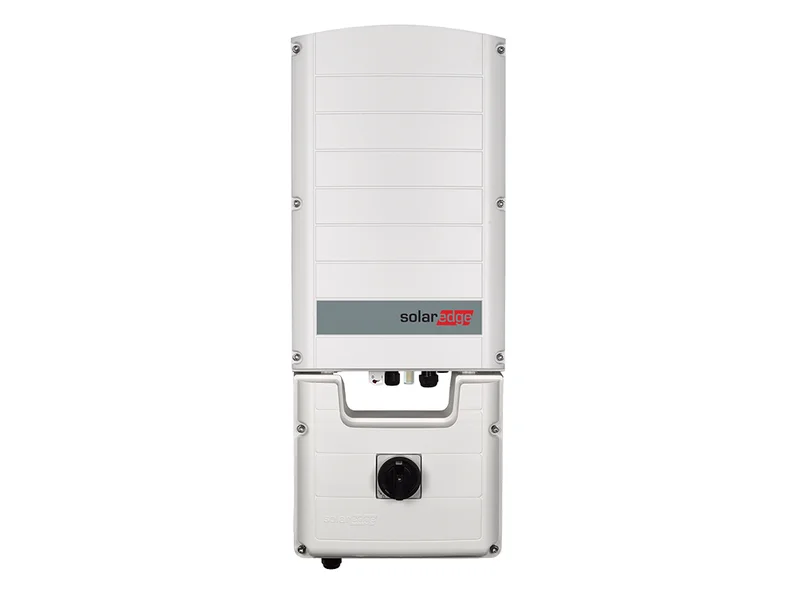
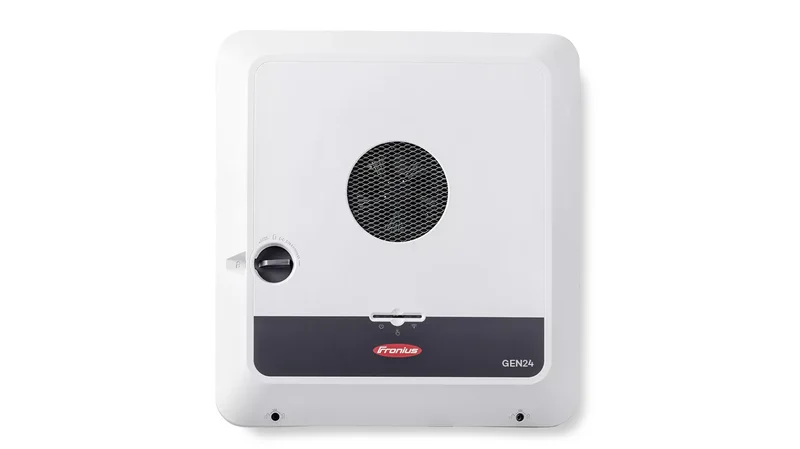
Best Three-Phase Inverter for Commercial Solar: 5 Compared
Five three-phase solar inverters compared across the commercial and industrial power range, from a 10 kW rooftop unit to a 320 kW utility-scale system.
What Changes When the System Gets Bigger
A residential single-phase inverter tops out well below what a warehouse roof, a carport array, or a small industrial plant needs to feed. Three-phase output balances load across all three lines instead of pushing everything through one, which is what utilities require once an installation crosses the threshold where single-phase injection would unbalance the local grid. Beyond that threshold, the question stops being "how much power" and becomes "how the inverter is built to handle it": how many MPPT inputs it offers to track independent strings across different roof orientations or shading conditions, what enclosure rating it carries for a rooftop or ground-mount installation exposed to weather, and how wide an input voltage window it accepts as the array grows.
This roundup compares five three-phase inverters spanning that range, from an entry point sized for a small commercial rooftop up to units built for utility-scale plants with dozens of independent MPPT channels. None of them serve identical projects — a 10 kW unit and a 320 kW unit are not interchangeable, so the picks below are ordered by what each is actually built for rather than by raw output alone. The full specification table on this page pulls live from the database, so use it to compare a specific figure across all five once you know which power tier matches your installation.