Best Single-Phase Solar Inverter for Home Solar: 5 Compared

Updated 2026-08-24 · Read this page as Markdown

A comparison of five single-phase inverters for residential solar, covering hybrid and string architectures, efficiency and outdoor enclosure ratings pulled straight from each spec sheet.

What Matters for a Single-Phase Residential Inverter

Most homes run on a single-phase (or US split-phase) supply, so the inverter question is less about phase count and more about which architecture and which figures actually move the needle day to day.

The first decision is hybrid versus string. A hybrid inverter has a built-in charge controller for a battery, which matters if storage is planned now or added later without swapping hardware. A pure string inverter is simpler and often lighter, but assumes grid-tied operation without battery backup unless paired with separate storage electronics.

After that, four figures do most of the differentiating work. Peak efficiency is a headline number, but the Euro-weighted efficiency figure tracks real-world output more closely because it averages performance across the partial-load conditions an inverter actually sees through a day of shifting sun. MPPT channel count and voltage range determine how much flexibility there is in string design — more channels and a wider window forgive uneven roof orientation or shading. The enclosure rating (IP65, IP66, NEMA 3R, NEMA 4X) decides whether the unit can go straight onto an exterior wall or needs additional weatherproofing, and the operating temperature range matters for anywhere the inverter sits in direct sun or an unconditioned space.

The five models below were chosen from inverters confirmed single-phase with enough published specifications to compare responsibly. Microinverters and entries missing core figures such as rated power or efficiency were left out — a spec sheet with three fields doesn't support an honest comparison.
Quick picks

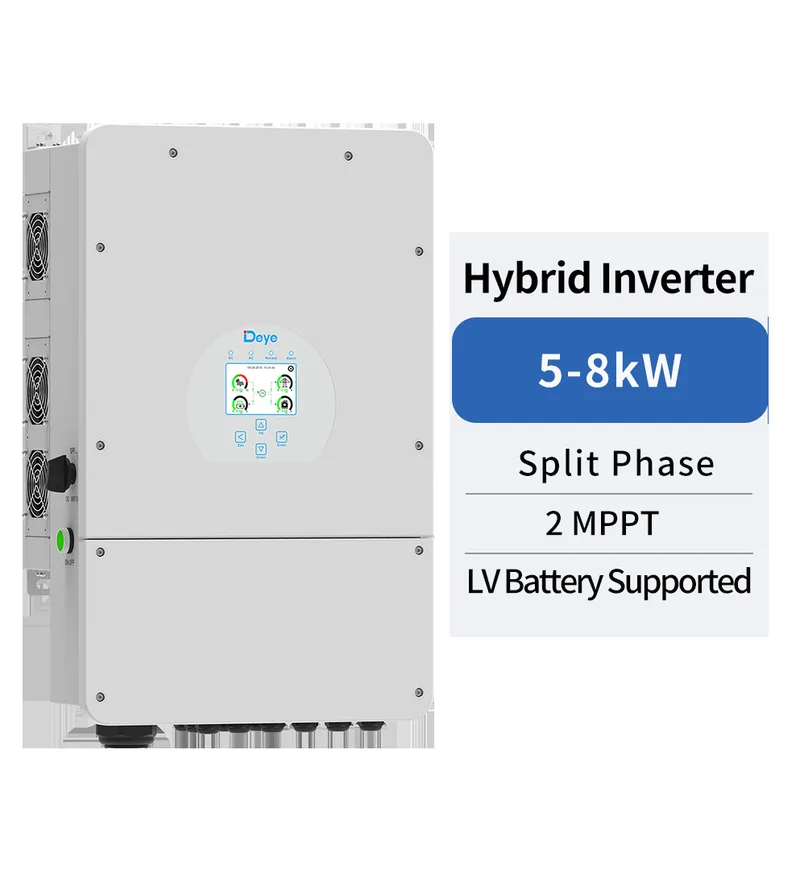
1 Deye Sun5 6 7 6 8Ksg01Lp1Us 58Kw Single Phase 2 Mppt Hybrid Inverter Lv Battery Supported 63 solar inverter Deye SUN5 6 7 6 8KSG01LP1US 58KW Single Phase 2 MPPT Hybrid Inverter LV Battery Supported 63
Best overall
[5000, 6000, 7600, 8000] W 97.6 % 150-425 V 120/240 V 30 kg Hybrid
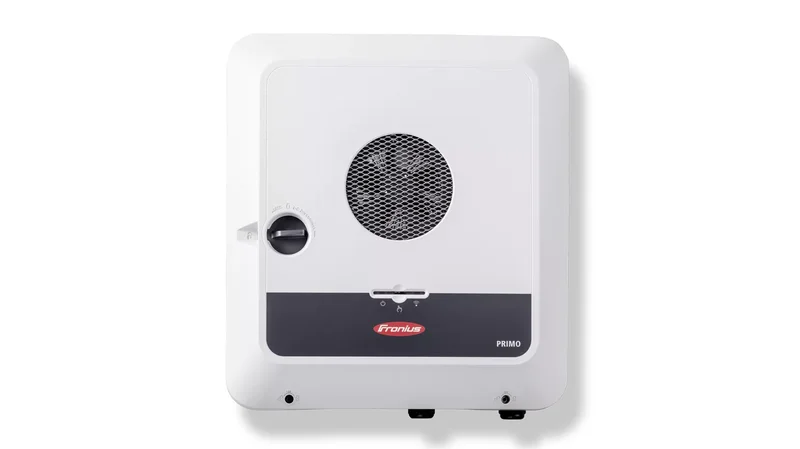
2 Fronius Primo GEN24 5.0 Plus solar inverter Fronius Primo GEN24 5.0 Plus
Best for future battery expansion
5000 W 97.6 % 230 - 530 V 220/230 V 15.38 kg Transformerless
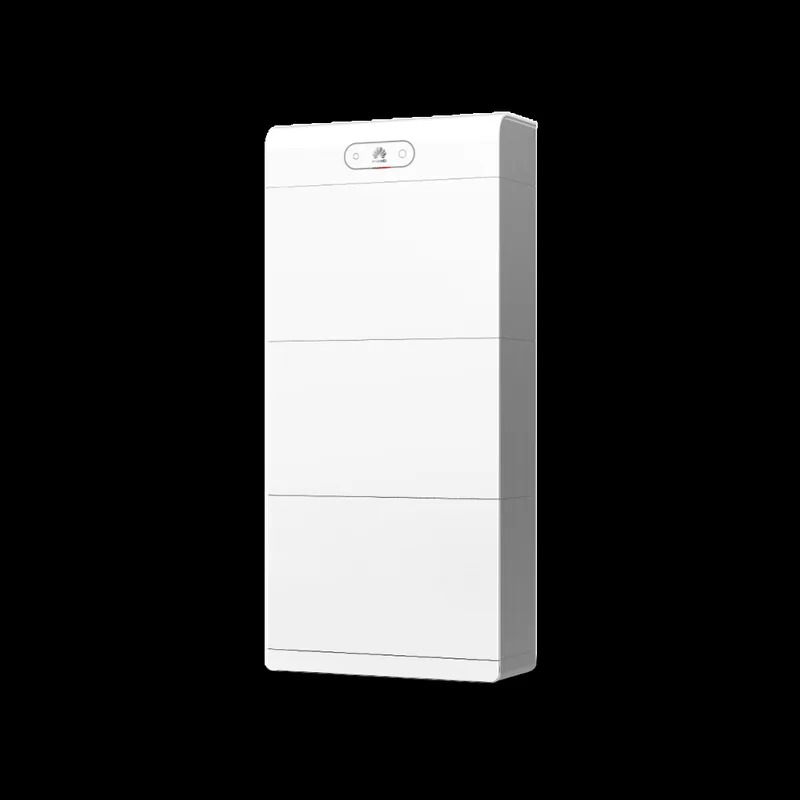
3 Huawei Solar SUN2000-3-6KTL-L1 solar inverter Huawei Solar SUN2000-3-6KTL-L1
Most efficient
6000 W 98.4 % 90-560 V 220/230/240 V 12.0 kg String
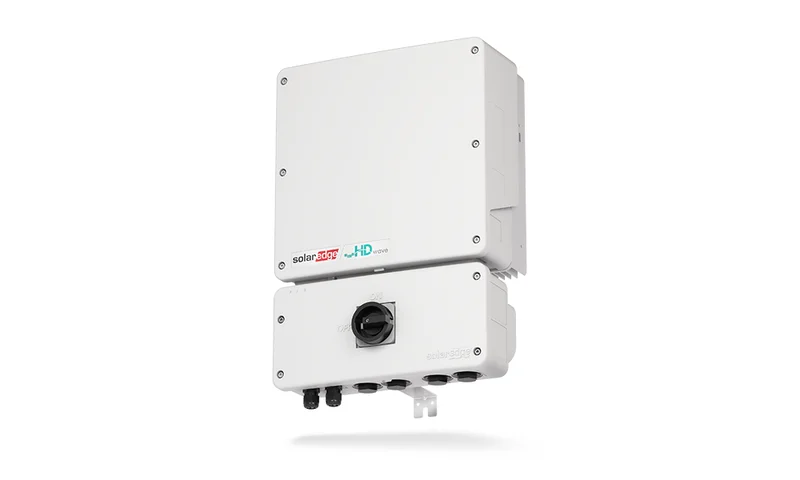
4 SolarEdge SE6000H solar inverter SolarEdge SE6000H
Best for larger residential arrays
6000 W 99.2 % 240 V Pure Sine Wave 11.9 kg String Inverter (HD-Wave)
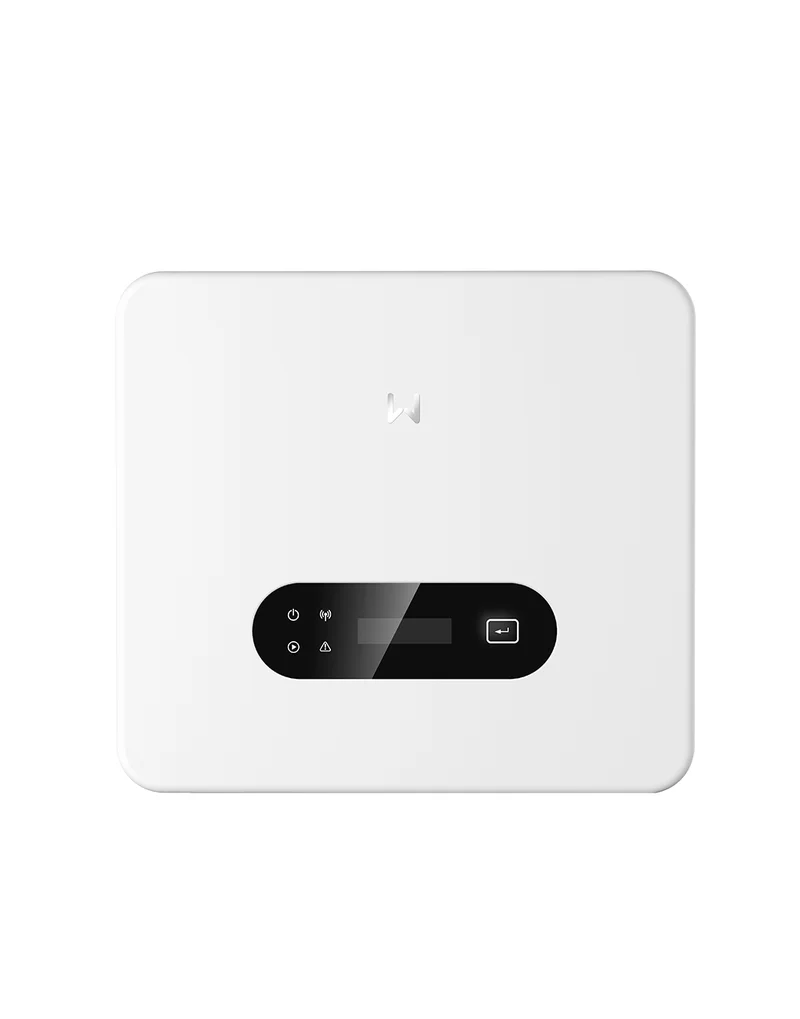
5 GoodWe GoodWe DNS G4 solar inverter GoodWe GoodWe DNS G4
Best compact option
98.1 % 9.2 kg

How these were picked

How These Were Chosen

Each pick had to be recorded as single-phase and carry enough of the core figures — rated power, efficiency, MPPT configuration, weight and enclosure rating — to justify its position with real numbers rather than marketing copy. Where a brand offered several single-phase models, the one with the fullest spec sheet and the clearest point of differentiation from the others on this list was used.

Advertisement

1. Best overall — Deye SUN5 6 7 6 8KSG01LP1US 58KW Single Phase 2 MPPT Hybrid Inverter LV Battery Supported 63

The Deye SUN5/6/7.6/8KSG01LP1US line covers four power tiers — 5000, 6000, 7600 and 8000W — from a single hybrid platform, so the same enclosure fits a modest roof or a heavy-consumption household with low-voltage battery support already built in. Two MPPT channels track a 150-425V range, wide enough for panel strings that aren't perfectly matched. Efficiency runs at 97.6% (96.5% Euro-weighted), and a TYPE3R enclosure combined with a -40°C to +60°C operating range means it tolerates an uninsulated garage or an exposed exterior wall without extra protection. At 30kg it's the heaviest inverter here, the trade-off for packing charge controller and hybrid electronics into one box.

View full specs →

2. Best for future battery expansion — Fronius Primo GEN24 5.0 Plus

The GEN24 5.0 Plus outputs a flat 5000W and pairs a 230-530V MPPT window across two channels with the widest operating range in this group, -40°C to +60°C, inside an IP66 enclosure rated for direct outdoor mounting. The "Plus" designation is Fronius's battery-ready platform, so a system installed as string-only today can add storage later without swapping the inverter. Efficiency sits at 97.6% (96.3% Euro-weighted), essentially matching the Deye above it despite the transformerless topology. At 15.38kg it's roughly half the weight, which matters for wall-mount installs where structural loading is tight.

View full specs →

3. Most efficient — Huawei Solar SUN2000-3-6KTL-L1

At 12.0kg, the SUN2000-3.6KTL-L1 is the lightest inverter in this comparison, and its 98.4% peak efficiency (97.8% Euro-weighted) is the highest measured here — a real difference on a residential system where every conversion point costs output. Two MPPT channels cover a 90-560V range, the widest span in this group, giving more flexibility in string sizing and a lower start-up threshold for shaded or partial-sun conditions. Rated output is 6000W with an IP65 enclosure. It's a pure string inverter with no integrated battery support, so it suits a straightforward grid-tied residential install rather than one planned around storage from day one.

View full specs →

4. Best for larger residential arrays — SolarEdge SE6000H

The SE6000H is rated for 6000W of continuous output, matching the Huawei above but built around SolarEdge's HD-Wave topology, listed at a 99.2% peak efficiency (97.5% Euro-weighted) — the highest peak figure in this comparison. It ships in a NEMA 4X enclosure, a higher outdoor/washdown rating than the IP65/IP66 figures elsewhere on this list, useful for exposed coastal or high-moisture mounting locations. At 11.9kg it's close to the Huawei's weight class. HD-Wave architecture pairs with module-level power optimizers rather than relying purely on inverter-side MPPT, a different approach to partial shading than the string designs above.

View full specs →

5. Best compact option — GoodWe GoodWe DNS G4

The DNS G4 is the lightest and most compact inverter in this group at 9.2kg, with a max output of 6600W across two MPPT channels drawing up to 26A of input current — a higher input current ceiling than the Deye or Fronius units above. Efficiency is rated at 98.1%, competitive with the Huawei despite a shorter published spec sheet. An IP66 enclosure covers outdoor mounting. GoodWe publishes fewer figures for this model than the other picks here, so treat it as the compact option for a straightforward single-phase residential install rather than the one to compare on architecture or thermal range.

View full specs →

Full specs

  Deye SUN5 6 7 6 8KSG01LP1US 58KW Single Phase 2 MPPT Hybrid Inverter LV Battery Supported 63 Fronius Primo GEN24 5.0 Plus Huawei Solar SUN2000-3-6KTL-L1 SolarEdge SE6000H GoodWe GoodWe DNS G4
Power
Nominal AC Power [5000, 6000, 7600, 8000] W5000 W6000 W6000 W
Maximum AC Power [5500, 6600, 8360, 8800] W5000 W6000 W6000 W6600 W
Efficiency
Maximum Efficiency 97.6 %97.6 %98.4 %99.2 %98.1 %
European Efficiency 96.5 %96.3 %97.8 %97.5 %
DC Input
MPPT Voltage Range 150-425 V230 - 530 V90-560 V
Maximum DC Input Voltage 500 V600 V600 V480 V
Number of MPPT Channels 2222
Maximum DC Input Current per MPPT 26 A22 / 12 A12.5 A26 A
AC Output
AC Output Voltage 120/240 V220/230 V220/230/240 V240 V
AC Output Frequency 60 Hz50 / 60 Hz50/60 Hz
Output Wave Type Pure Sine Wave
Total Harmonic Distortion (THD) 3 %3 %
Physical
Weight 30 kg15.38 kg12.0 kg11.9 kg9.2 kg
Enclosure Protection Rating TYPE3RIP66IP65NEMA 4XIP66
Operating Temperature Range -40 to +60 °C-40°C - +60°C-25 to +60 °C
Classification
Inverter Type HybridTransformerlessStringString Inverter (HD-Wave)
Number of Phases 11111
Advertisement