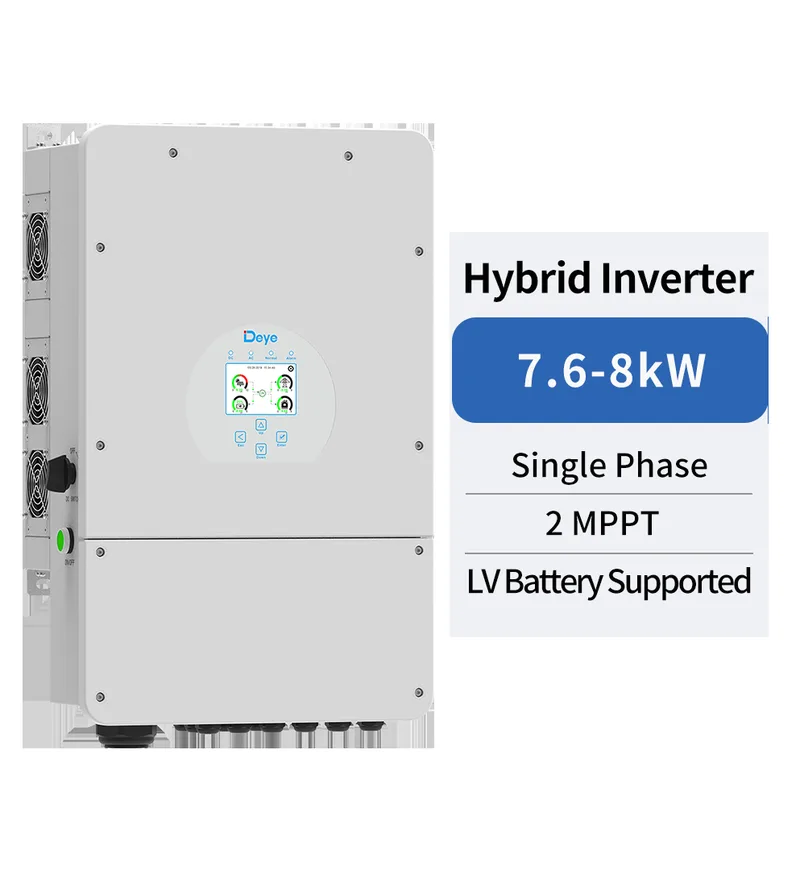
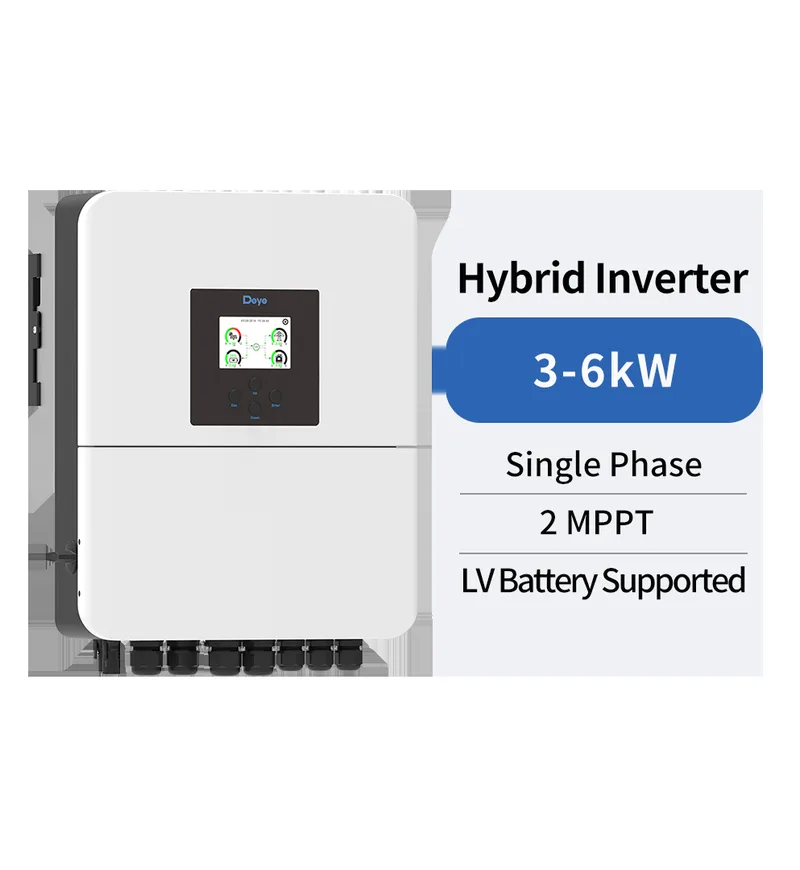
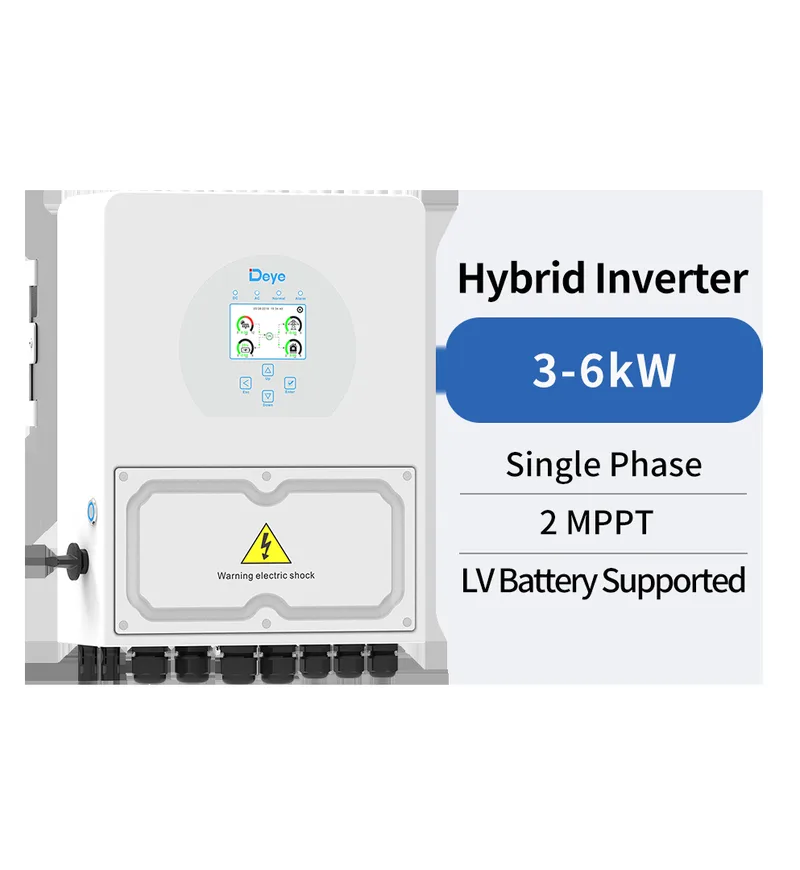
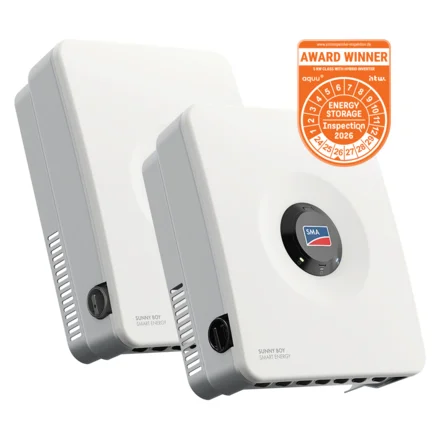
Best Hybrid Solar Inverter for Battery Storage: 4 Models Compared
Four hybrid inverters with low-voltage battery support, spanning three power tiers, compared on the specs that decide array size, MPPT layout and mounting weight.
What matters in a battery-ready hybrid inverter
A hybrid inverter does two jobs a standard grid-tie unit doesn't: it manages a connected battery's charge and discharge alongside converting PV output, so stored solar power can cover self-consumption or backup instead of always exporting to the grid. That combination changes which specs are worth comparing.
Rated and peak power need to match both the PV array and the household load the battery is meant to cover — undersized, the inverter clips on sunny days; oversized, the extra headroom goes unused. MPPT channel count and each tracker's maximum input current decide how the array can be wired: more trackers handle roofs with multiple orientations or partial shading better than one large string, and a higher current ceiling per tracker allows a bigger string before the inverter caps it. Efficiency matters more here than on a grid-tie-only unit, since a hybrid inverter is converting power continuously in both directions rather than only when the sun is out. Enclosure rating and operating temperature range decide whether outdoor wall mounting is realistic, and weight is a practical constraint for anyone doing the install without a second pair of hands.
Only models whose recorded inverter type is explicitly hybrid, with low-voltage battery support, were considered for this list — see below for how the four picks were narrowed down from there.