
Solis Solar Inverters
China · 3 models
All 3 Solis models
Specifications as published by the manufacturer. A dash means the figure is not published.
| Model | AC power | Efficiency | MPPT | Phases | Weight |
|---|---|---|---|---|---|
| Solis S5-GR3P | — | 98.7 % | — | 3 | 16.5 kg |
| Solis S6-EH1P | — | — | — | 1 | — |
| Solis S6-GR1P | — | — | — | 1 | 8.2 kg |
How the Solis inverter range is organised
Solis organises its inverters along three axes: platform generation, function (grid-tied or storage), and phase count. Three Solis models are listed here, and between them they mark three corners of that grid rather than filling it in.
Single-phase grid-tied
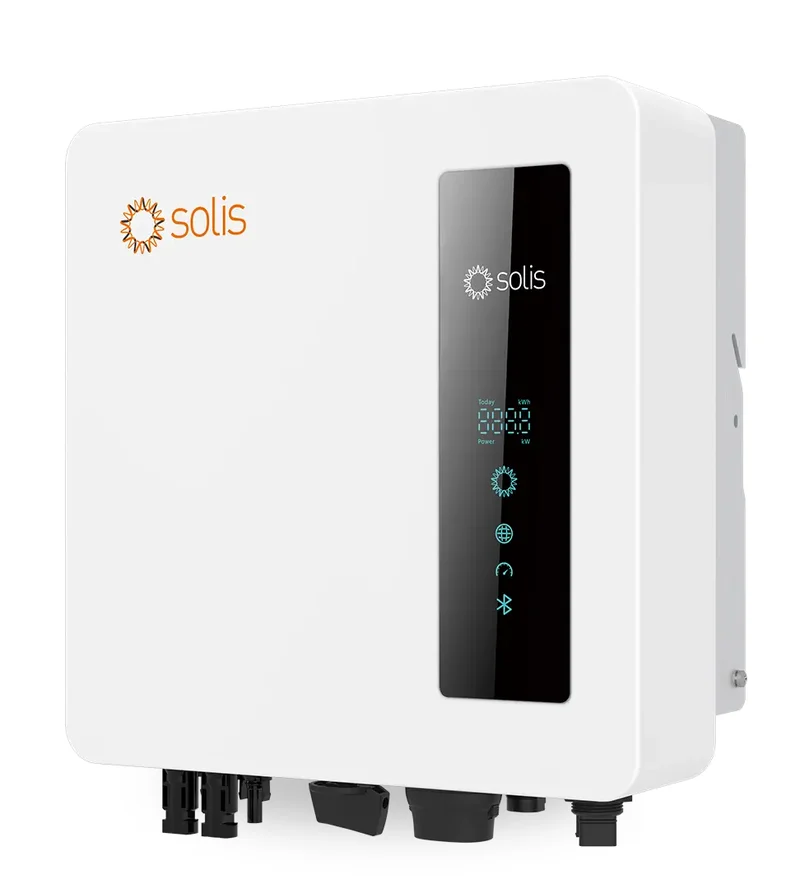
Solis S6-GR1P is the single-phase, grid-tied entry: one phase, a 16 A maximum DC input current, 8.2 kg and an IP66 enclosure. At 8.2 kg it is by a wide margin the lightest of the three, which is what the residential end of a range normally looks like.
Single-phase storage
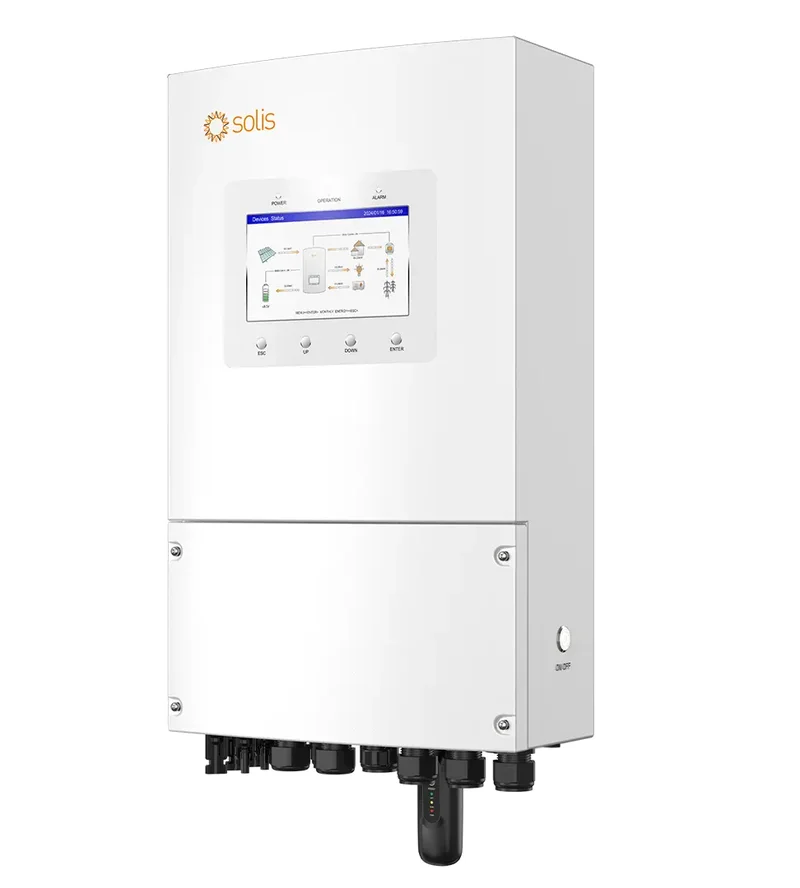
Solis S6-EH1P is the hybrid, recorded as a single-phase low-voltage energy storage inverter with two MPPT channels. The distinction that matters here is architecture rather than power: a storage inverter manages a battery alongside the PV array, where a grid-tied unit only converts and exports.
Three-phase grid-tied
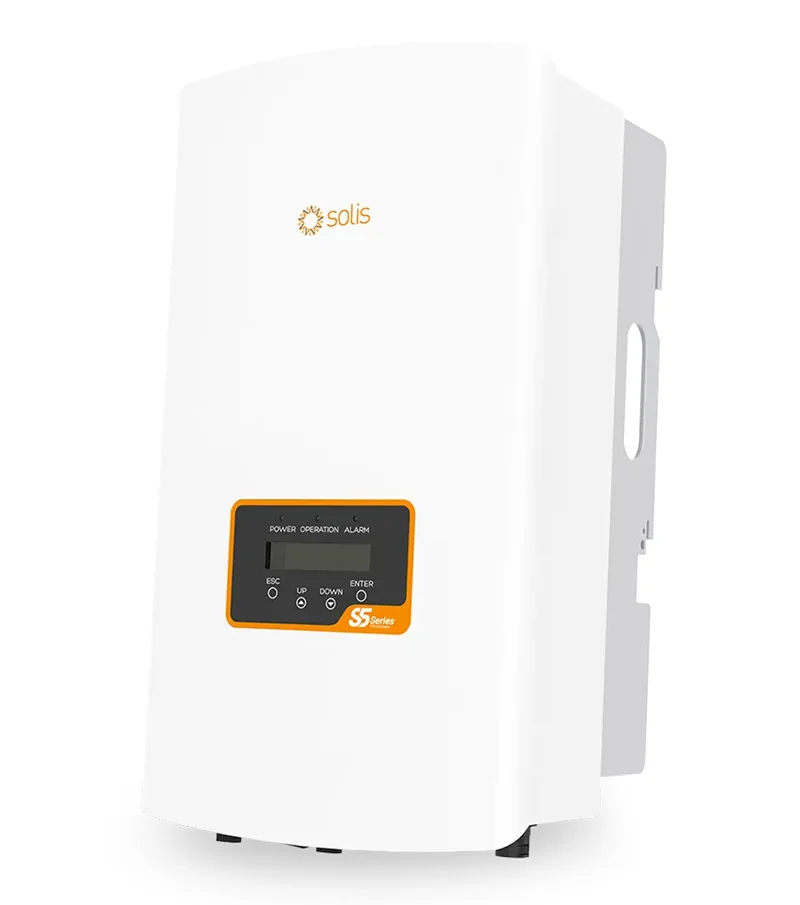
Solis S5-GR3P is the three-phase grid-tied model, on the earlier S5 platform: three phases, two MPPT channels, 98.7% maximum efficiency — the highest figure recorded for any Solis unit here — 2% total harmonic distortion, 16.5 kg and IP66.
This listing is clearly partial, and the gap is worth stating plainly. Solis builds a wide range running from single-phase residential inverters up to large three-phase commercial machines, and three entries cannot represent it. More limiting still, no nominal AC power is stored for any of the three. The designations recorded here are family codes without their power suffix, so this page can tell you how Solis divides its range by phase count and by grid-tied versus storage, but it cannot tell you which kilowatt rating you are looking at. For a specific power figure on a Solis unit, the datasheet for the complete designation is the source, not this listing.
Reading a Solis model designation
A Solis designation is a compact code: platform, function, phase count, and normally a power figure.
S5 and S6 are platform generations. S6 is the later platform. Both appear here, with the S5-GR3P on the earlier generation and the two S6 units on the newer one. The generation code says nothing about power or phase count on its own.
GR and EH give the function. GR is grid-tied, and both GR units here are recorded as grid-tied types. EH is the energy-storage line: the S6-EH1P is stored as an energy storage inverter, meaning it manages a battery as well as the array. The "low voltage" in its recorded type refers to the battery voltage class it is built for, not to the AC side.
1P and 3P are the phase count, and this is the most practical part of the code to read. S6-GR1P and S6-EH1P both record one phase; S5-GR3P records three. If the code ends in 3P, the installation needs a three-phase connection.
The power figure is missing here. In a complete Solis designation a kilowatt rating normally follows the phase code, which is how one family covers many ratings. The three entries on this site are stored under the family designation alone, with no nominal AC power recorded, so read these codes as telling you the type of inverter and go to the datasheet for the rating.